




Cheap food culture has 'become outdated' says beef association
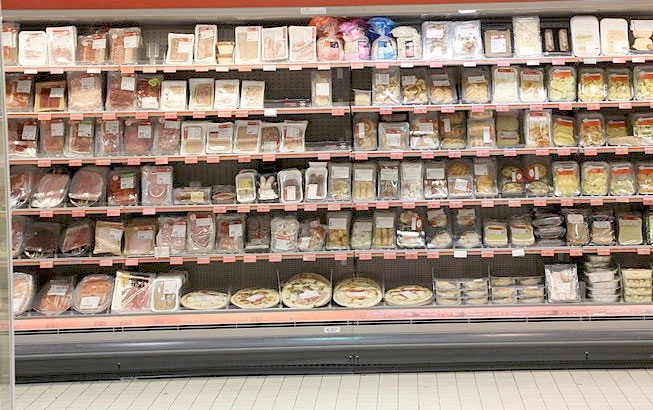
The cheap food culture that has dominated the UK over the past 30 years has become outdated, said the National Beef Association who predicted farmers will soon be as important to consumers as the retail giants that currently dominate the food industry.
"Most British retailers have still to appreciate that food, like oil, gas and metal, is already being traded as a global commodity and that the cheap food culture that has dominated the UK in particular over the past 30 years has already become outdated said Chris Mallon, NBA national director.
"The slip-shod supermarket procurement that has been exposed by the horsemeat scandal is the result of short cuts being taken because after decades of food being easy to find, and easy to buy, it has suddenly become not just harder to secure – but also more expensive."
The National Pig Association recently blamed 'supermarket greed' for the scandals effecting the industry.
The fear of eating contaminated beef has caused many shoppers to be wary of all meat sold in supermarkets.
Farming groups have blamed retailers who 'habitually drive down meat prices' below the cost of production causing a lapse in quality or an adulterated content of the product.
"Where on earth do they think this cheap euromeat is coming from?" demanded Richard Longthorp, chairman of the NPA.
"If you consistently buy something below the price at which it can be produced, you must know that corners have been cut in quality, or safety, or legality, or all three."
But the chief executive of Iceland supermarket chain Malcolm Walker said the horse meat scandal is a problem not caused by supermarkets but by local authorities and the catering industry.
"Supermarkets shouldn’t be blamed. British supermarkets have got a fantastic reputation for food safety" Walker told the BBC's Andrew Marr Show.
"If we're going to blame somebody, let's start with local authorities because there's a whole side of this industry which is invisible, that's the catering industry.
"Schools, hospitals, it's a massive business for cheap food and local authorities award contracts based purely on one thing: price."
The Butchers Q Guild, a membership organisation of over 100 independent butchers around the UK, reported an increase in sales figures from all their members.
Butcher Brindon Addy saw a 10% increase in trade since the horse meat scandal was first revealed, with beef burger sales up 30%.
"Consumers are heading back to the high street following the scare, which has dented consumer trust in the major supermarkets" said Addy.
But Addy, who owns J. Brindon Addy Butchers and is national chairman of the Butchers Q Guild said: "We were selling some 200 burgers per week before the horse meat scare – now it’s up to around the 300 mark."
"I think consumers have become more aware that there isn't transparency in purchasing meat, burgers in particular, from their local supermarket."
World economies, as well as the world's population are booming and one result is that tens of millions of new, middle class, consumers have been able to buy their way into the top tier of the market and UK supermarkets are struggling to secure the huge quantities of food they need at the prices they are used to paying.
Associations have forecasted more competition because of increasingly wealthy global consumers in their hundreds of millions 'have ambitions to enjoy the products' that up until now have been exclusively distributed within established western economies.
"Membership of the world's 'Privileged Food Eaters Club' is rocketing and it will not be long before the competition this creates at global level results in much higher prices, and more restricted availability within the UK" Mallon said.
"Beef farmers, and those who grow staple crops like grain and potatoes, fruit, and other meats, can keep pace with current demand for home produced food as long as we are paid more for our product than it costs to produce."
"However we are certain that supplies of imported food will shrink because more will be sold to enthusiastic buyers in boom countries like Brazil, Russia, India and China and so more effort will have to be made to ensure that the UK produces more food than it does now."